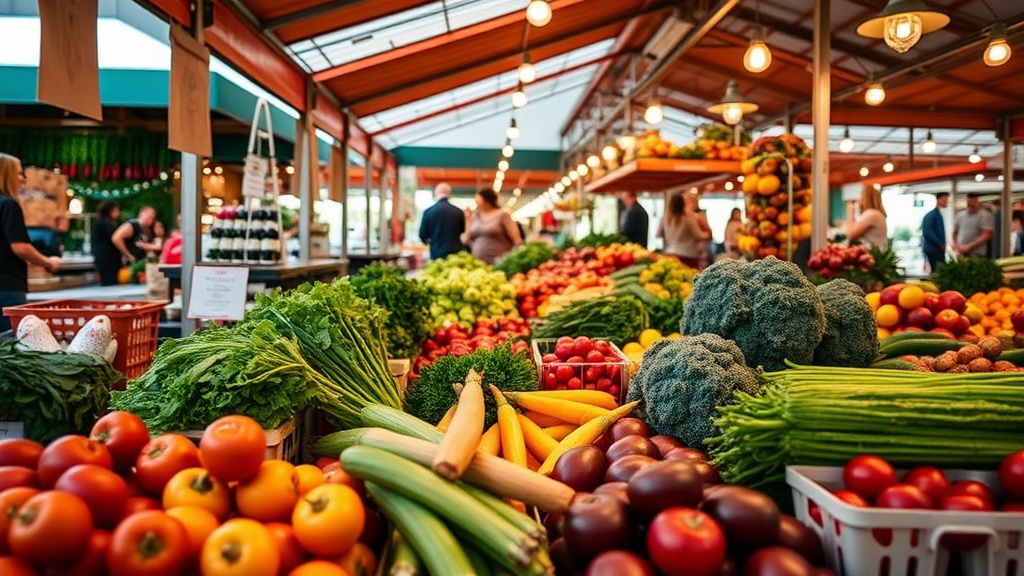
Finding the Best Seasonal Produce at the Port Coquitlam Farmers Market

This guide explains how to identify, select, and shop for the best seasonal produce at the Port Coquitlam Farmers Market. You'll learn which seasonal items to look for in British Columbia right now, how to spot high-quality produce, and how to time your visits to get the best selection. Shopping local isn't just about supporting our neighbors—it's about getting food that actually tastes like it belongs in the Fraser Valley.
What is in Season in the Fraser Valley Right Now?
The availability of produce depends entirely on the current month and the specific microclimates of the Lower Mainland. In the spring and early summer, you'll see a surge in leafy greens, radishes, and berries, while late summer and autumn bring heavy hitters like stone fruits, squash, and hearty root vegetables.
Because we live in a relatively temperate part of British Columbia, our growing seasons are distinct. If you show up in July, don't expect to find heavy pumpkins; you'll find strawberries and cherries instead. It’s a common mistake to shop for out-of-season items, but the beauty of the Port Coquitlam Farmers Market is the freshness of what is actually growing nearby.
Here is a general breakdown of what to look for during different phases of the year:
| Season | Top Produce Items | What to Look For |
|---|---|---|
| Spring | Asparagus, Radishes, Snap Peas | Bright green stalks, crisp textures |
| Summer | Strawberries, Cherries, Zucchini, Tomatoes | Deep colors, firm skin, heavy weight |
| Autumn | Squash, Apples, Pears, Root Vegetables | Hard skins, weight, earthy scents |
| Winter (Limited) | Root Crops, Hardy Greens, Preserves | Firmness, lack of soft spots |
Always keep in mind that the agricultural patterns in British Columbia can shift based on our local weather. A late frost or a particularly dry July can change what's hitting the stalls. (I've seen it happen more than once.)
How Do I Know if the Produce is High Quality?
High-quality produce should look vibrant, feel heavy for its size, and possess a scent that indicates ripeness. When you're standing at a stall, don't be afraid to use your senses—within reason, of course.
For example, when buying tomatoes, look for a deep, consistent color. If they look pale or have large green shoulders, they likely weren't ripened on the vine. For leafy greens like kale or spinach, you want to see crisp, upright leaves. If they look limp or "sweaty" in the heat, they've likely been sitting out too long.
Pro-tips for specific items:
- Berries: Look for a dull sheen rather than a shiny one; sometimes overly shiny berries are actually underripe. Avoid any containers with visible juice or mold at the bottom.
- Root Vegetables: Carrots and beets should be firm and heavy. If they feel light or "hollow," they are likely old and dehydrated.
- Stone Fruit: Peaches and plums should have a slight give when pressed gently, but they shouldn't feel mushy.
If you're looking for more technical details on food safety and quality standards, the Canadian Food Inspection Agency provides excellent resources on how food is regulated and what quality looks like. It's worth a quick glance if you're a stickler for the details.
What Are the Best Times to Visit the Market?
The best time to visit the Port Coquitlam Farmers Market is during the first two hours of the opening, as this is when the freshest-picked items are first brought out. Vendors often arrive with the most pristine produce early in the morning, and the most popular items—like specific heirloom varieties or popular berry mixes—tend to sell out by midday.
If you're looking for a bargain, there's a different strategy. Toward the end of the market hours, some vendors might offer discounts on produce that needs to be used quickly. It's a bit of a gamble, though. You might snag a great deal on a crate of berries, but you might also find things that are a bit too ripe for transport.
My recommended shopping strategy:
- The Early Bird: Arrive right at opening if you want the absolute best selection of delicate items like berries or microgreens.
- The Mid-Morning Wanderer: Arrive around 10:00 AM if you want a more relaxed pace and don't mind if a few things are already gone.
- The Bargain Hunter: Arrive 30 minutes before closing if you're looking for "end-of-day" deals on heavy produce like squash or potatoes.
One thing to note—don't forget to bring your own reusable bags. Most vendors appreciate it, and it makes carrying a heavy haul of local potatoes much easier on your arms.
How Much Does Fresh Produce Cost Compared to Grocery Stores?
Prices at the farmers market can vary significantly depending on the item, but you'll often find that the price-per-pound is slightly higher than at a big-box supermarket for highly specialized items. However, for standard seasonal staples, the price is often very competitive when you factor in the superior flavor and shelf life.
Think about it this way: a container of strawberries from a supermarket might be cheap, but if half of them mold before you get them home, you haven't actually saved money. Local produce is often harvested closer to the time of sale, meaning it lasts longer in your fridge. You're paying for quality and longevity.
It's also worth noting that buying in bulk at the market can be a smart move. If a farmer has a surplus of zucchini or cucumbers, they might sell them in larger quantities at a lower unit price. This is a great way to stock up for canning or freezing- especially if you're planning to make your own preserves.
If you're a coffee lover and want to pair your market trip with a local caffeine fix, you might enjoy exploring the hidden coffee gems along Lougheed Highway before or after your shopping excursion. It's a great way to make a morning of errands feel like a real outing.
Ultimately, shopping at the Port Coquitlam Farmers Market is about more than just filling your pantry. It's about connecting with the people who grow your food and understanding the rhythm of our local seasons. Whether you're looking for a single bunch of radishes or a full basket of summer berries, the quality you find here is hard to beat.
Steps
- 1
Check the Seasonal Calendar
- 2
Arrive Early for Best Selection
- 3
Bring Reusable Bags
- 4
Talk to the Growers